The Black Hole of Browser Bookmarks
Imagine this: You are researching for a major project, writing a thesis, or just falling down a fascinating late-night rabbit hole. You stumble upon a perfectly written article that clearly explains a complex concept you've been struggling with for weeks. You quickly hit the star icon, adding it to your browser bookmarks, feeling a sense of relief and confidence that you'll be able to find it exactly when you need it.
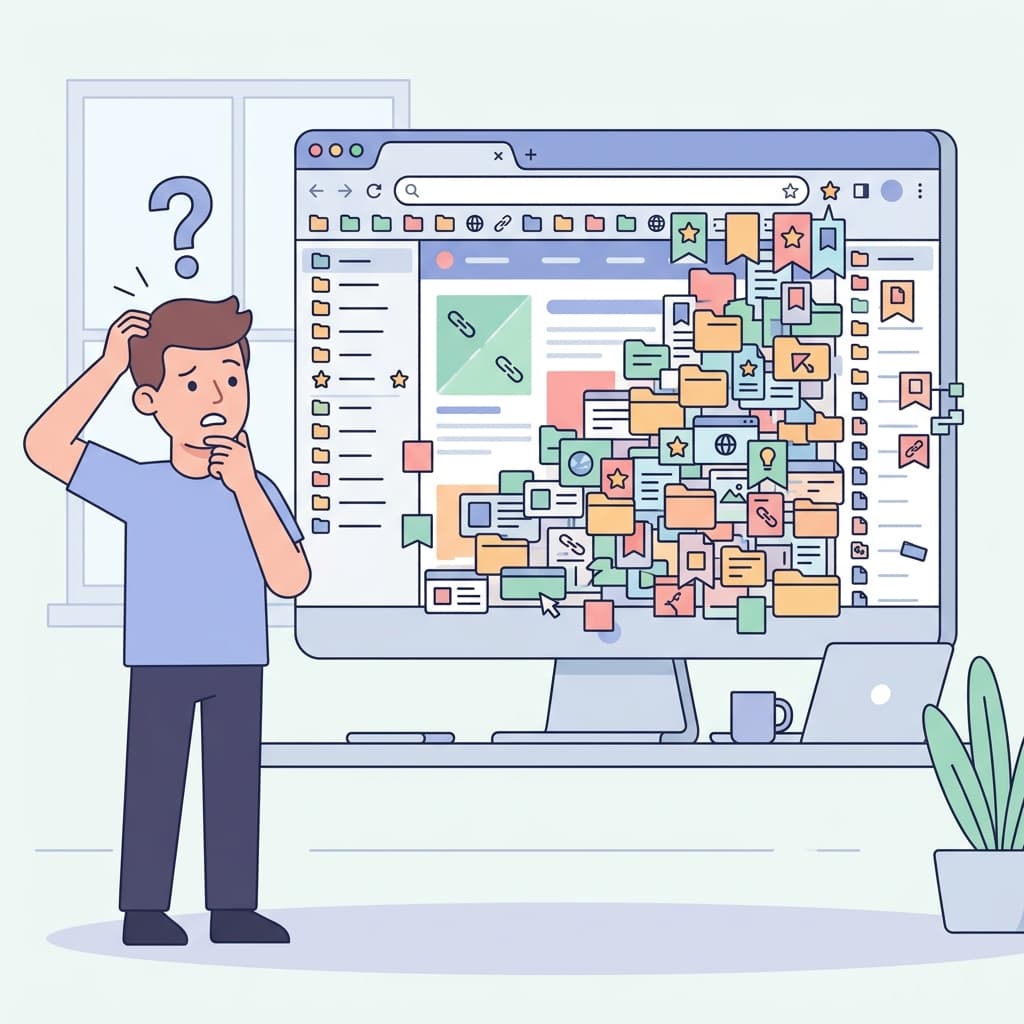
A week later, you finally sit down to write. You open your bookmarks manager and... nothing. You stare blankly at an endless, unorganized list of generic page titles like "Home" or "Article - 2026 Update". You click through five different links, desperately hoping one of them triggers your memory, but none of them are the one you need. The brilliant resource is gone, swallowed whole by the black hole of your digital filing system.
If this scenario sounds painfully familiar, you are absolutely not alone. As we explore in our related post, Bookmarks Are Broken: A Better Way to Save What Matters, the fundamental way we attempt to save information online is outdated and broken.
Why Traditional Folders Don't Work for Ideas
Since the dawn of modern computing, traditional bookmarking and filing systems have relied on a rigid, hierarchical folder structure. This made sense for storing physical files in a metal cabinet, but human thoughts are not linear, and neither is the modern research process. When you save a complex, multi-disciplinary link about "machine learning applications in healthcare analytics," does it belong in your "Tech" folder or your "Medical" folder?
When you are forced to categorize an idea into a single, restrictive box, you lose the most important part of the research process: the context. You lose the reason why it mattered to you in the first place.
The Context Problem
The biggest and most fatal flaw of the standard browser bookmark is that it only saves the where (the URL address). It completely forgets the why. A link by itself is just a string of characters pointing to a server somewhere. Without context—a personal note, a highlight of a specific paragraph, or a written reason for saving—it loses its value the exact moment you close the browser tab. When you return to it months later, you have to re-read the entire piece just to figure out why you saved it.
A Better Way to Save and Retrieve
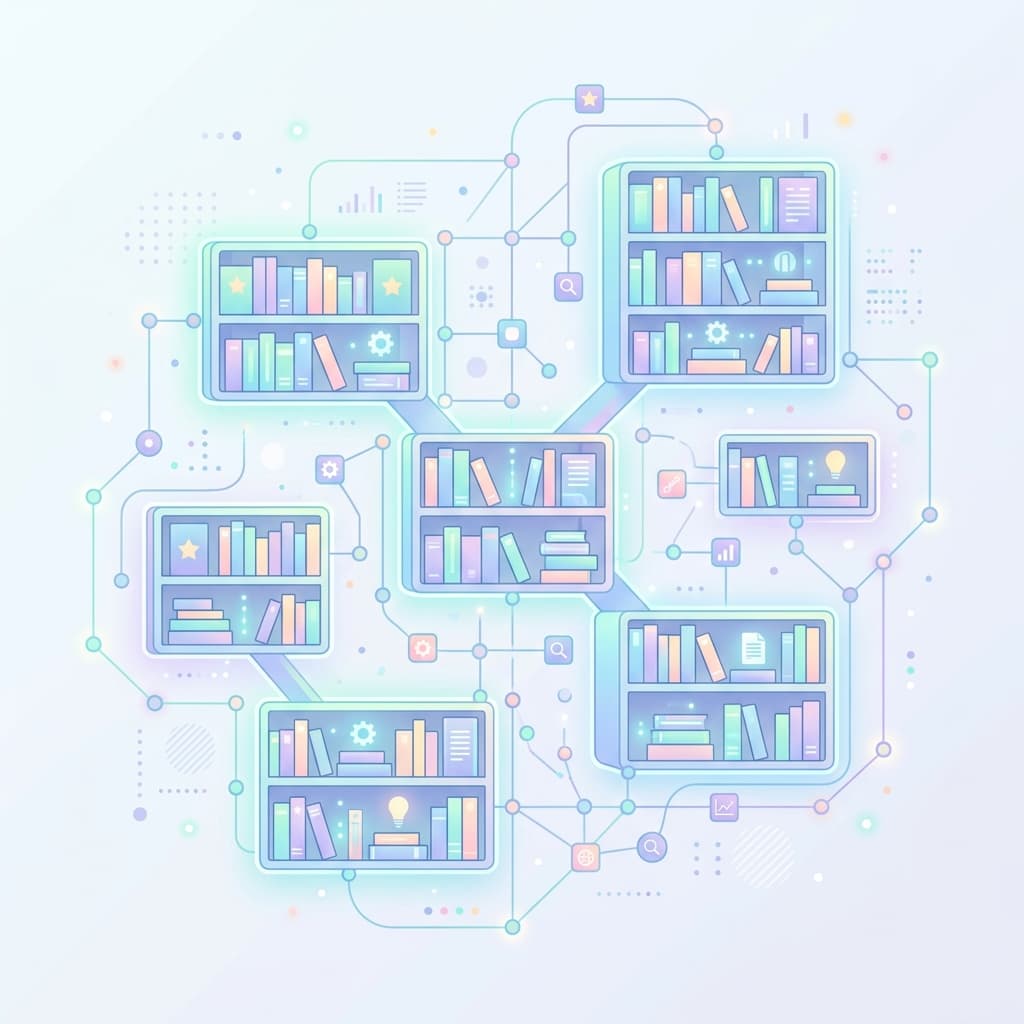
To permanently fix this frustrating cycle, we need to completely shift our mindset from "bookmarking" (which implies static storage) to "curating" (which implies active knowledge building). If you want to dive deeper into building a comprehensive system, read our guide on How to Build a Personal Research Library Online. Here are three immediate strategies to ensure you never lose a critical link again:
- Write a "Note to Self": Make it an unbreakable rule to never save a link without attaching at least a one-sentence note. Explain exactly why you saved it and what specific project or question you plan to use it for.
- Embrace Tags, Abandon Folders: Tags allow a single resource to live in multiple contexts simultaneously. That machine learning article can be effortlessly tagged with
#ai,#healthcare, and#thesis-researchwithout duplicating the link. - Prioritize Search over Sort: Stop wasting hours trying to create the perfect, nested folder hierarchy. Rely on powerful search tools instead. If you have the right context and tags attached to a link, a simple semantic keyword search will surface the exact link instantly when you need it.
This is precisely why tools like LinkGaze exist. They are designed from the ground up to solve the context problem by automatically capturing the "why" alongside the "where," making your saved pages truly searchable. It's time to stop throwing valuable links into the void, and start building a digital library that actually works for you.
Tired of losing important links?
Join thousands of researchers and professionals who use LinkGaze to save, organize, and understand their online reading.
Get started for free